

This gemstone buying guide explores pearl jewelry, alexandrite gemstones, and moonstone gemstones, with a focus on appearance, color, origin, and value.
Pearl, Alexandrite, and Moonstone Appearance
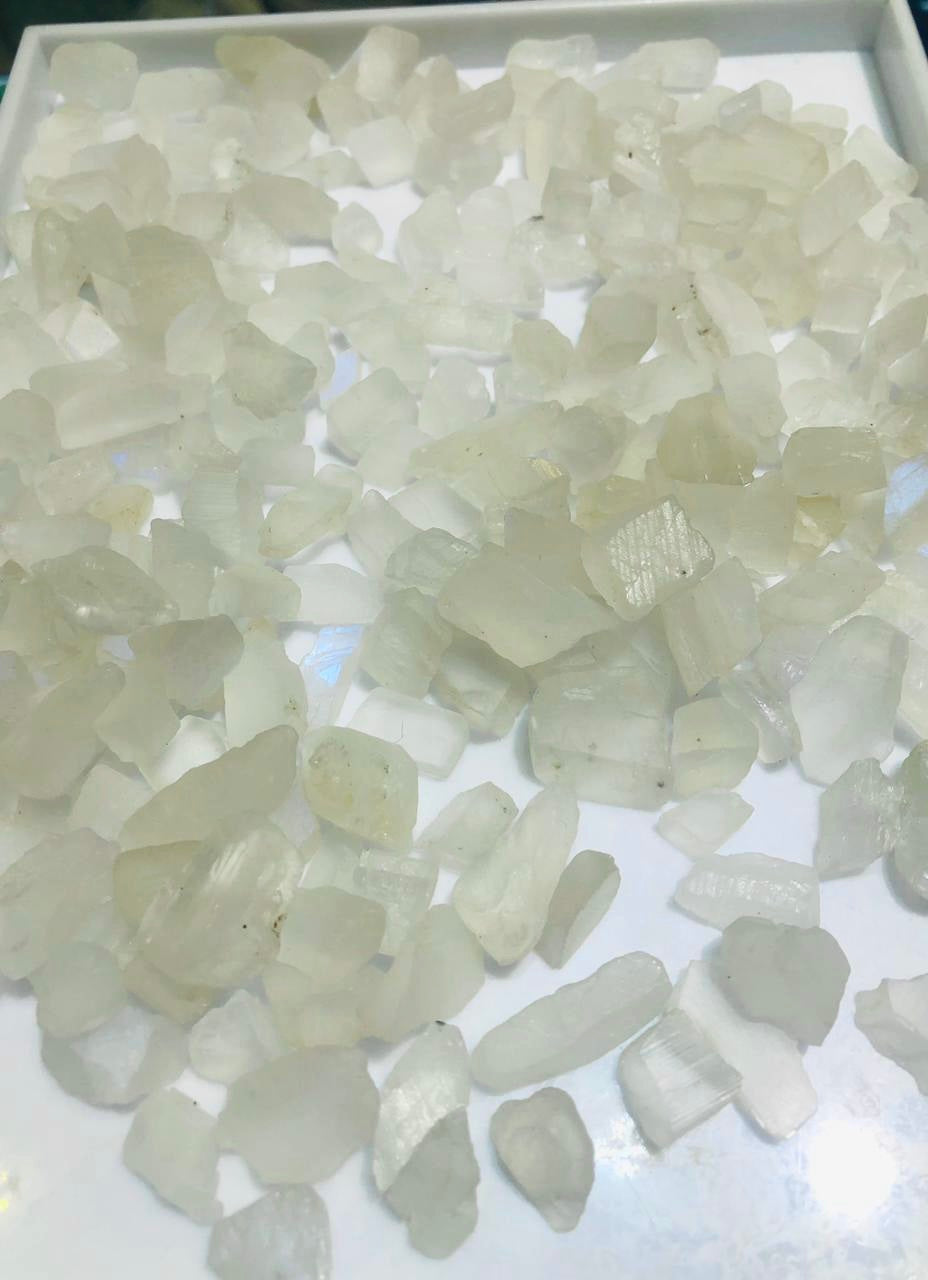
Pearl is recognized for its smooth and polished outer surface that makes it high in value over others like Alexandrite and Moonstone. This is not to say that the other two contenders don’t have their distinct attributes. For example, Alexandrite is known for its wide appeal and high absorption of light in a properly treated environment and condition. Lastly, Moonstone is known for its glow and dreamlike effect that people cannot resist buying. So, if you find it difficult to ignore how moonstone glows from inside, it is not you alone, there is a lot of others who appreciate it and shop for it influenced by its dreamy effect. Its showcase is not any less than fantasy like condition and presentation people care and they don’t stop watching it. For a lapidary project, explore this raw rainbow moonstone for cabbing as a rough-material option rather than finished jewelry.

Gemstone Formation and Origin
In formation, mollusks are required for its shell-like structure to find a perfect pearl hidden underneath an especial condition and environment, high in moisture and low on sunlight. Alexandrite is another rare end product that resembles chrysoberyl in chemical formation and its origin is not that difficult to trace in a properly approved environment. Moonstone has its compelling optical attribute that makes your fantasy or dreamlike environment approved by its owners and admirers. Doubting their formation does not help its fact finder in tracing its internal stages of development.
Pearl Color, Appearance, and Value
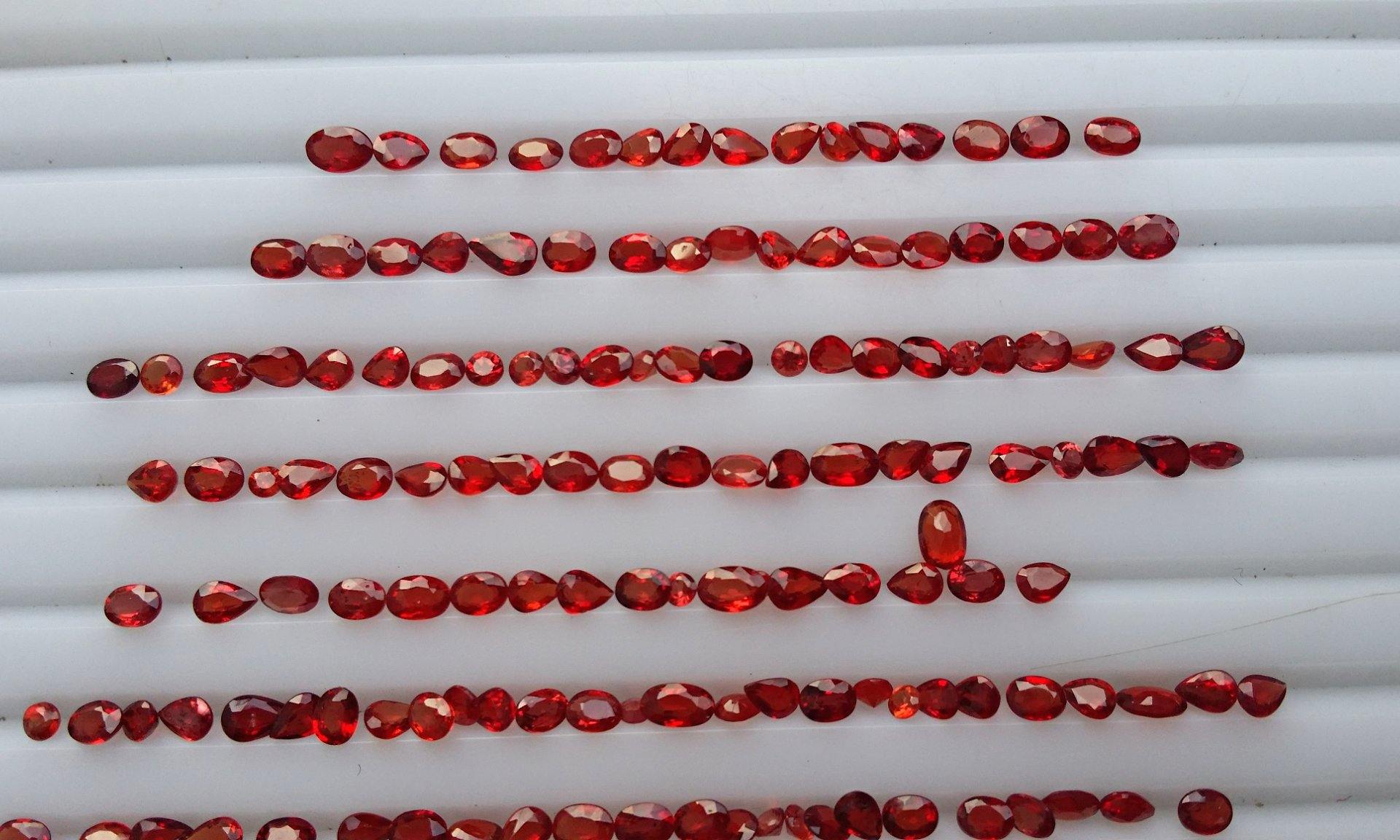
Pearls are white in color that resembles cream like undertone that shows owners how and why pearls are collected from it mineral rich deposits formed in high moisture environment adding to its composition and beauty. Pearls are available in affordable price range that makes it easy to keep after its proofing is over. If you find high pearl, you may be feeling lucky because few of them are more than its appearance enriched in moisture and damp condition. They resemble a lot of other gemstone in appearance only since their difference is equally high contributing to its external worth that people appreciate in first glance over doing false comparison. To compare other jewelry-stone options by color and cut, browse our loose gemstones collection.
Buying Pearl Jewelry: Earrings, Bracelets, and Pendants
Buying pearl earrings, bracelet, or a pendant is not that high if you are high or informed buyer. Informed and high observers narrow down its benefits over its weakness in structure while it gets proofed and polished in its natural condition. Providing suitable condition is not recommended once it has proofed its outer surface area over lab tests for making it properly clean and admirable in its market. Polishing effect on its outer layer adds to its internal and external beauty that you should not take for granted.
Pearl Composition and Color Variations
Rich in calcium carbonate, pearl dominating jewelry is high in elegant appeal over its colorful variations formed during its refinement. In other word, if you care for colorful appearance, its variations can make a lot buyers pay more for their end product over other pieces of jewelry readily found in its market.
Comparing Pearl Quality and Price
A lot of color or light observation is done before your ideal pearl is separated out from its comparative rivals shown in a proper presentation and development. Open market shows more variations in its internal structure than small or closed market shops. Keeping all shells of pearls in their suitable environment makes them affordable for people paying more than others. Proofed outer shell is free from mollusks as they are taken to professionals for making them hygiene proof. This is not to say unpolished or raw shells of mollusks are any less, rather it makes its appeal go up over undermining their value and price. Easily available jewelry pieces are made during its promotion and proofing for you to get your hands on its outer beauty and hidden internal attributes like picture proofed are high in price for the way it is kept in its suitable environment and condition. Proper treatment is not easy to find if you give up on your research or if you don’t give up on its opaque appearance needed for its proper presentation. Light observation is not that visible in its structure because it is rich in calcium carbonate that makes it easy to admire like keeping it like a prized possession is not all you need to know. Its display is like other opaque gems showing elegant white more than its colorful option and choices.
Pearl Selection, Surface Finish, and Treatment
Carefully selected pearls are treated further on for it to go up in value and price. Some of buyers prefer buying it in affordable or less than affordable price for it to look elegant and properly proofed, a polishing effect is added on its outer surface that adds to its glow over hiding its high price internal properties. Its internal attributes are visible during its development that is shown and witnessed by a professional in on its complete development and not so easy to ignore mollusks present in it. They are taken out or separated out of its calcium carbonate shell in initial stage of proofing and refinement.
Frequently Asked Questions
What is the difference between pearl, alexandrite, and moonstone?
Pearls form inside mollusks and are valued for their luster. Alexandrite is a variety of chrysoberyl known for changing color under different lighting. Moonstone is a feldspar gemstone known for adularescence, a soft glow that appears to move beneath its surface.
What should I check before buying pearl jewelry?
Compare luster, surface quality, shape, size, and color. For earrings or strands, also check how well the pearls match. Ask whether the pearls are natural or cultured and whether any treatments have been applied.
How can I evaluate an alexandrite gemstone before buying?
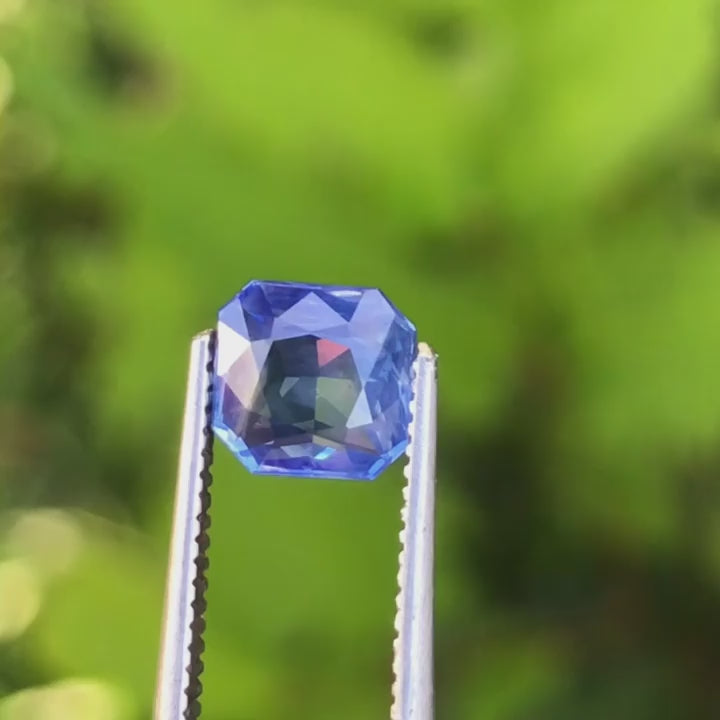
Ask whether the alexandrite is natural or laboratory-grown, and examine its color change under daylight and incandescent light. Compare clarity, cut, carat weight, and the strength of the color change. For a significant purchase, request a report from an independent gemological laboratory. For comparison with a different color-changing gem, view this one-carat color-changing sapphire; sapphire is not alexandrite.
What makes a moonstone gemstone desirable?
Look for a distinct, attractive glow, a pleasing body color, and a cut that displays the optical effect clearly. Inspect the stone for chips and cracks, and view it from several angles rather than judging it from a single photograph. Our guide to how to identify gemstones offers further reading before comparing stones.
Conclusion
Choosing between pearl jewelry, alexandrite gemstones, and moonstone gemstones starts with the appearance you enjoy and the jewelry you want to wear. Compare pearl luster and surface quality, alexandrite color change, and moonstone glow rather than assuming one gemstone is always more valuable than another. Before buying, ask about identity, treatments, condition, and any supporting laboratory reports so you can compare options within your budget. If you are planning to cut a stone rather than buy finished jewelry, browse our rough gemstones for lapidary projects to compare available materials.






0 comments